
Media
〰️
Nutrition Subject Matter Expert
〰️
Public Relations
〰️
Media 〰️ Nutrition Subject Matter Expert 〰️ Public Relations 〰️
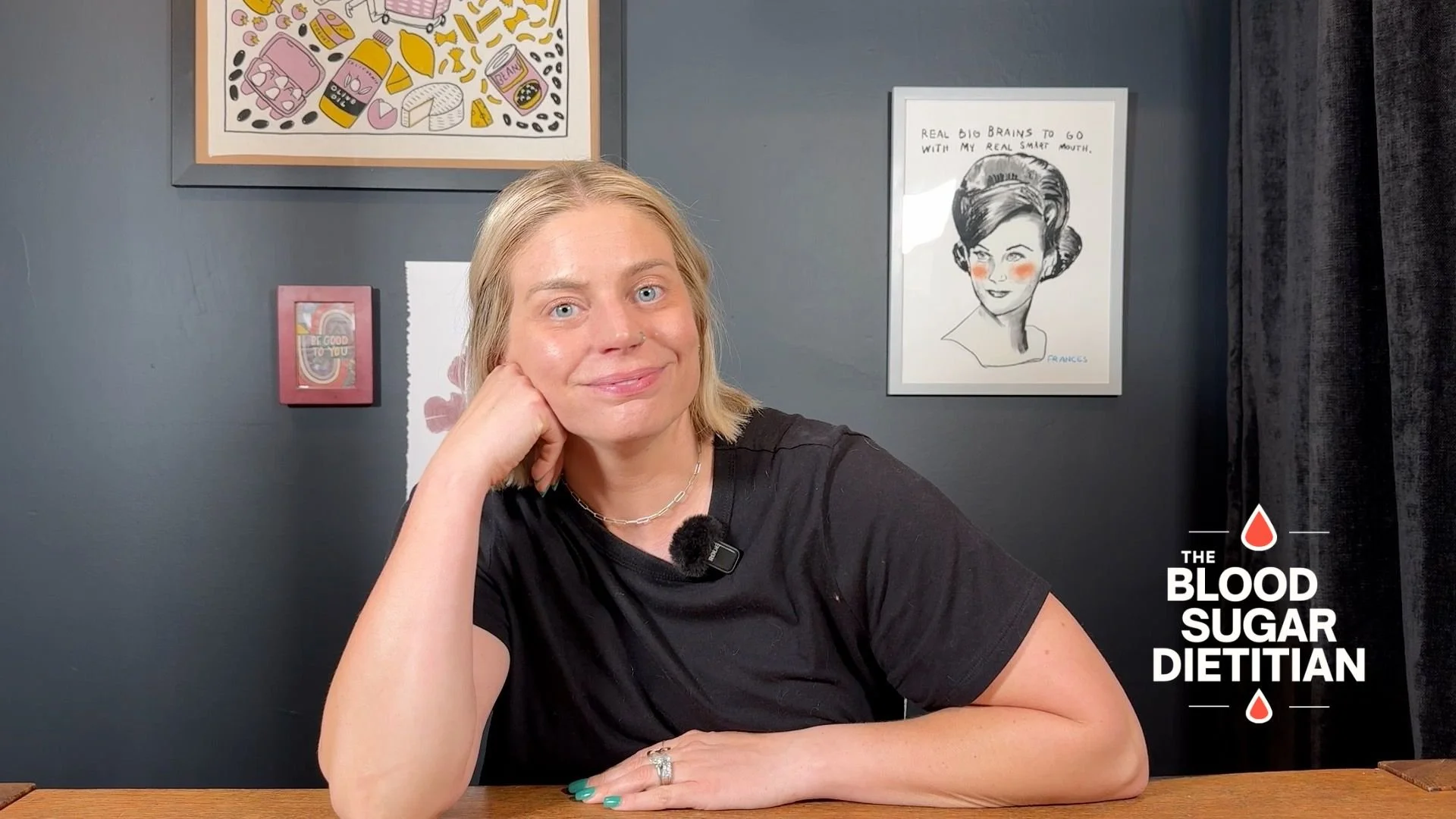
Before I became Kara Craddock, MS, RDN, I was Kara McIver, the public relations girlie, so I have experience pitching media, digital content creation, and influencer outreach, and translating complex nutrition science into clear, credible messaging that resonates with real people.
I specializes in blood sugar management, prediabetes, PCOS, and obesity medicine — including the rapidly growing space of weight loss medications — and have been featured as a nutrition expert across digital health and wellness media.
Journalists - If you’re looking for a source, pre-publication medical reviewer, writer/contributor, or evidence-based perspectives on new nutrition science research, let’s connect!
Commodity boards, food/ag trade organizations, public health campaigns, CPG companies - I’m available for sponsored content partnerships, brand spokesperson work, media commentary, contract work, or influencer relationship management.
I bring an evidence-based perspective that commodity boards, PR teams, the media, and everyday individuals can trust to hold up under scrutiny.
If I can be useful, please reach out hello@thebloodsugardietitian.com
Reading Over Coffee in the Morning Could Sharpen Your Focus All Day Long
Impact of Coffee
Caffeine’s biggest contribution here is straightforward: It helps you feel more awake and better able to sustain attention. That makes it a useful complement for the kind of focused mental work reading requires. “Research shows caffeine consistently improves alertness, reaction time, and sustained attention, especially the kind of focus needed to stay on a task without drifting,” says Kara Craddock, RDN, registered dietitian and founder of The Blood Sugar Dietitian.1
That increased focus lasts for much longer than the few minutes it takes to drink your coffee. “The average half-life of caffeine, or how long it takes your body to clear half of it, is about five hours, though that range varies widely by person,” Craddock says. “That means one morning cup is still doing something in your system many hours later.
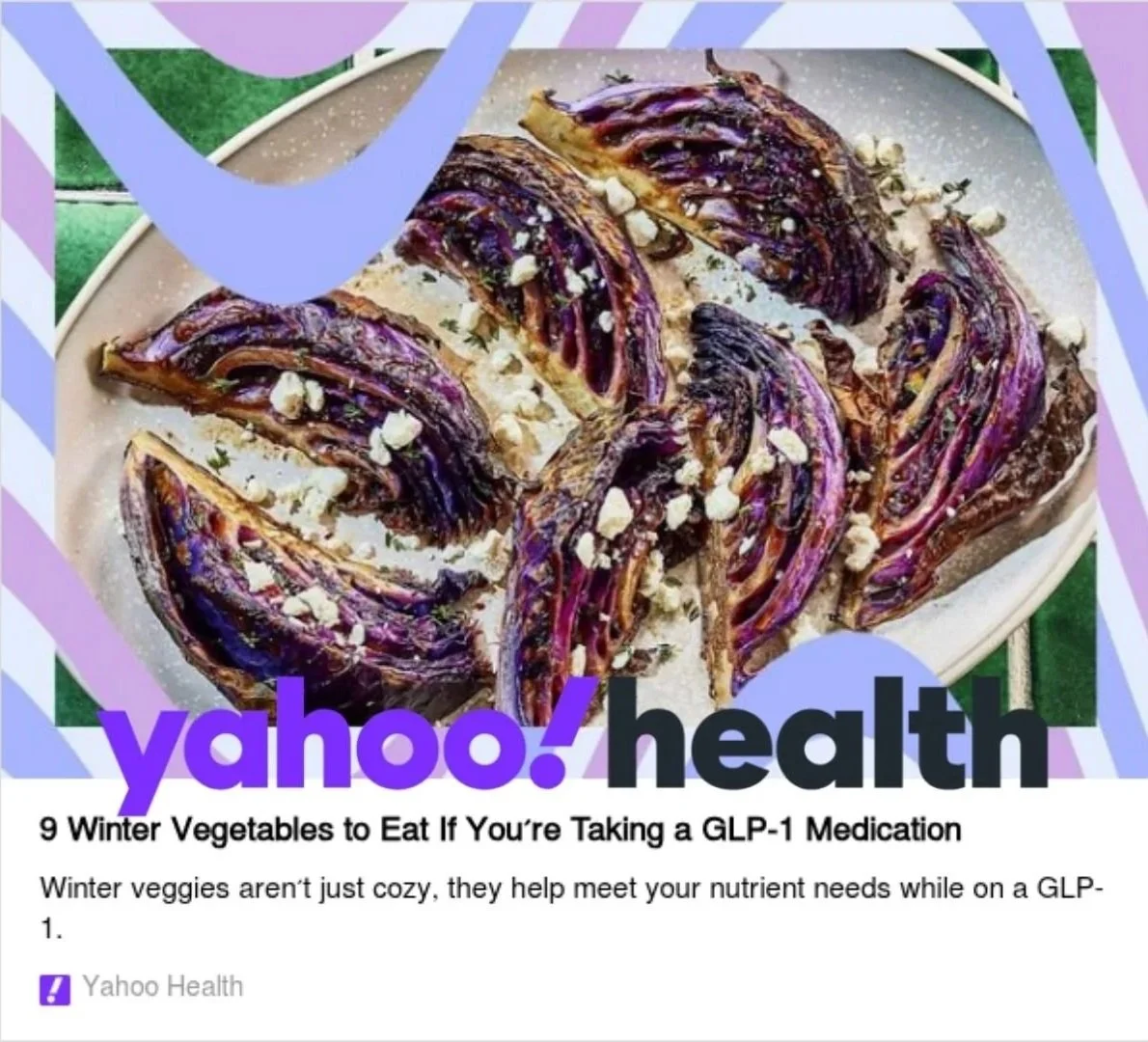
9 Winter Vegetables to Eat If You’re Taking a GLP-1 Medication
9. Mushrooms
With the sun being a rare guest during winter, getting enough vitamin D is a priority—especially for people taking GLP-1 medications, who are at a higher risk of deficiency. Vitamin D supports bone health, muscle function, hormone production and mood. For GLP-1 users, getting enough vitamin D is particularly important, as weight loss can reduce bone density, says Kara Craddock, M.S., RDN.
Mushrooms are one of the few foods that provide vitamin D, says Craddock. They contain vitamin D2, which the body can convert into the more bioavailable form, vitamin D3. To get the most benefit, choose mushrooms grown in sunlight, as this significantly boosts their vitamin D content.
While mushrooms alone won't meet your full vitamin D needs, adding them to meals can help fill the gap.